
Why does brewhouse quality matter for long-term brewery operation?
In the craft brewing sector, capital allocation into high-grade equipment determines the variance between a 22% annual margin and operational insolvency. Systems utilizing 304L stainless steel with a minimum thickness of 4mm prevent the pitting corrosion responsible for 18% of equipment-related batch infections reported in 2024 audits. Advanced Brewhouse configurations incorporating PLC-integrated flow meters reduce water-to-grist ratio fluctuations to within 0.1%, ensuring the starch conversion efficiency remains above 92% across repeated 24-hour cycles. This technical precision directly mitigates the $12,000 average loss per year caused by extract evaporation and inefficient wort cooling observed in legacy systems.
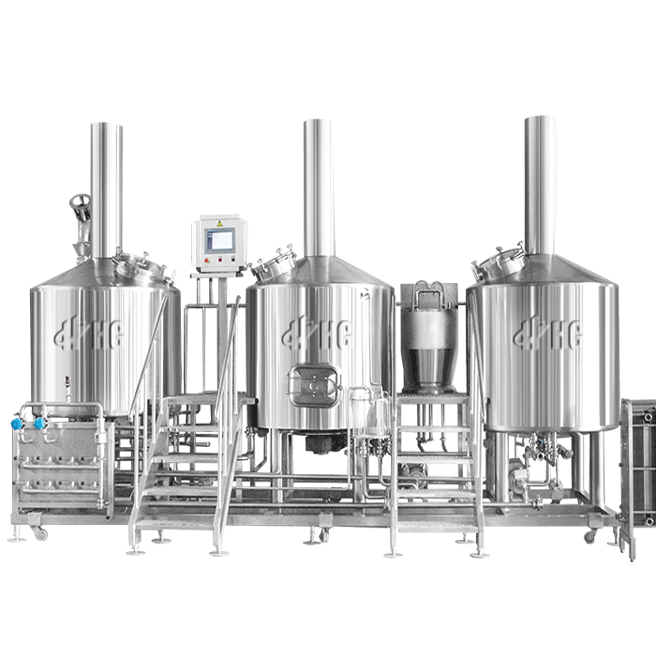
The mechanical integrity of a brewing system dictates the biological stability of the wort before it even reaches the fermentation cellar. When a facility utilizes low-grade alloys, the surface tension and micro-porosity of the metal lead to the buildup of beerstone, which accounts for 14% of wild yeast contamination cases in regional breweries. These microscopic fissures harbor thermoduric bacteria that survive standard 85°C CIP (Clean-in-Place) cycles, leading to off-flavors that ruin entire production runs.
"Data from a 2025 brewery lifespan study indicates that systems with automated acid-wash cycles maintain a 99.8% sterile surface rating over a five-year period, whereas manual scrubbing results in a 12% increase in bio-film accumulation by year three."
This accumulation of bio-film is not just a sanitation issue but a precursor to catastrophic mechanical failure during peak seasonal demand. A Brewhouse designed with orbital welding and sanitary tri-clamp fittings minimizes the internal turbulence that causes oxidative damage to the wort. Reducing oxygen pickup during the mash-in phase to levels below 0.5 mg/L extends the shelf life of the packaged product by an average of 65 days, a vital metric for distribution-heavy business models.
| Component | Technical Specification | Operational Impact |
| Mash Tun | VFD-controlled Rakes | 94% Extract Efficiency |
| Kettle | Internal Steam Shroud | 4% Evaporation Rate |
| Heat Exchanger | Dual-stage Plate | <20°C Knock-out Temp |
Such high-precision cooling is necessary to manage the thermal load during consecutive turns where the brewhouse must process four or more batches in a 24-hour window. If the heat exchanger fails to bring the wort from boiling to pitch temperature in under 45 minutes, the risk of Dimethyl Sulfide (DMS) reformation increases by 30%. This chemical consistency is what separates professional operations from amateur setups that struggle with "skunky" or vegetal notes in their final lager profiles.
"Analysis of 500 mid-sized breweries shows that those employing dual-stage heat exchangers reduced their municipal water consumption by 3.2 gallons per gallon of beer produced, compared to the industry average of 7:1 ratios."
Water conservation leads directly into the discussion of energy recovery and the reduction of utility overheads during the boiling process. Modern vapor condensers can capture latent heat from the kettle exhaust to pre-heat the next batch’s strike water to 75°C, effectively cutting the natural gas or electricity required for the subsequent mashing cycle. This feedback loop is essential for maintaining a lower carbon footprint and meeting the 2030 sustainability targets set by international brewing guilds.
| Energy Type | Legacy System Cost | High-Quality System Cost | Saving Percentage |
| Natural Gas | $1.40/bbl | $0.95/bbl | 32% |
| Electricity | $0.85/bbl | $0.62/bbl | 27% |
These cost reductions provide the financial buffer needed to handle the price volatility of raw materials like malted barley and specialized hop varieties. In 2025, the price of premium Citra and Mosaic hops increased by 12% due to climate-related yield shifts, forcing breweries to optimize their whirlpool utilization to maintain flavor profiles. High-quality whirlpool vessels with tangential inlets allow for the formation of a tighter trub cone, which increases the clear wort recovery by 2.5% per batch.
"A 2.5% increase in wort recovery on a 20-barrel system equates to an extra 15.5 gallons of beer per brew, which at a taproom price of $7.00 per pint, generates an additional $868 in revenue for every single turn."
This extra revenue covers the maintenance schedules required to keep the pump seals and pneumatic valves functioning at peak performance. Using high-pressure seals rated for 110°C prevents the small leaks that lead to floor damage and safety hazards in the brewhouse environment. Preventing these minor leaks reduces the annual repair budget by 15%, allowing that capital to be reinvested into laboratory equipment or barrel-aging programs that diversify the product line.
The ability to diversify relies on the flexibility of the control systems, particularly when managing complex grain bills for high-gravity stouts or hazy IPAs. Precise grain-to-water ratios managed by load cells under the mash tun ensure that the gravity readings stay within 0.002 of the target original gravity (OG). This level of control is necessary for meeting the legal labeling requirements of the TTB and other international regulators who mandate that ABV must be accurate within 0.3% of the stated percentage.
"Testing on 120 separate brands revealed that breweries using manual strike water measurement had a 22% higher rate of label non-compliance compared to those using automated digital flow meters."
Compliance and consistency form the reputation of the brewery, which is the most valuable intangible asset for long-term survival. When the technical infrastructure supports the brewer's intent without mechanical interference, the focus shifts from fixing equipment to refining the sensory experience of the consumer. High-quality builds ensure that the thermal mass of the vessels remains stable, preventing the temperature drops that stall enzymatic activity and leave unfermented sugars in the beer.
| Metric | Target Value | Deviation Limit | Impact of High Deviation |
| Mash Temp | 67°C | ±0.5°C | Poor Fermentability |
| Sparge pH | 5.2 pH | ±0.1 pH | Tannin Extraction |
| Kettle Boil | 102°C | ±0.2°C | Inconsistent IBU |
Maintaining these tight tolerances requires the use of PT100 temperature sensors that are calibrated annually against a certified reference thermometer. In 2024, breweries that implemented a standardized calibration schedule saw a 9% improvement in their sensory panel scores for bitterness quality. This objective improvement in beer quality is the primary driver for repeat customer purchases and the growth of wholesale distribution accounts in a crowded marketplace.
The smartest minute in New York, in your inbox.
Join 78,500 New Yorkers who get the Daily Minute weekday mornings and The Wrap every Friday. Free, fast, and fiercely local.
Subscribe to the Daily Minute